
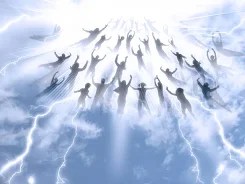
Lately, I’ve been thinking about how certain theologies, (especially dispensationalism), have quietly shaped the way many Christians engage (or disengage) with the world.
When you believe the world is just getting worse until Jesus “beams” us out, it becomes easier to ignore injustice, environmental collapse, or the suffering of others. Why care for the planet if it’s all going to burn? Why work for peace if war is seen as a sign of the end? Why pursue justice if everything is supposed to fall apart?
Dispensationalism may have started as a framework for interpreting Scripture, but its impact has become deeply political, global, and personal. It has fueled apathy toward climate change, justified militarism and endless war, enabled harmful Christian actions at the expense of human rights, turned faith into a form of escapism rather than something to be lived out, and discouraged personal and collective responsibility in favor of getting prepared for Jesus’ return.
But the gospel I read doesn’t teach abandonment. It calls us to presence. Not fear, but faithfulness. Not destruction, but redemption.
Jesus didn’t tell us to wait for an escape pod. He told us to love our neighbors, care for creation, and work for justice here and now.
What if we believed God still has something beautiful in mind for this world, not just the next?
((PS – For those who don’t know what dispensationalism is… you’ve probably heard of the main ideas:
Dispensationalism is a way of reading the Bible that says history is divided into eras and the world is on a fast track to destruction (with believers escaping in the rapture before Jesus returns). It can often leads to apathy toward justice, the earth, and our neighbors)).

Leave a comment